Tankless water heaters are popular for their energy efficiency and endless hot water, but they come with potential drawbacks. Here are the top 5 problems homeowners may encounter: 1. High Initial Cost Tankless units cost more upfront than traditional water heaters, and installation may require upgraded gas lines or electrical systems. While they save energy...
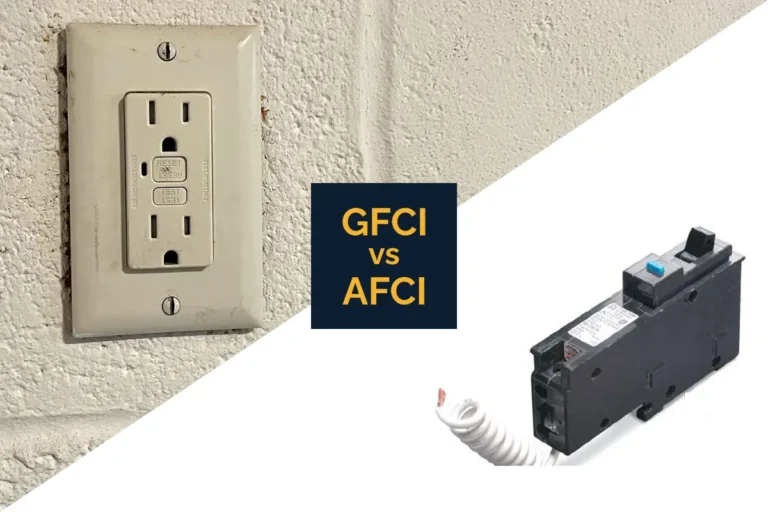
Outlets protect your home, but not all are created equal. Upgrading improves safety and may be required by code. GFCI (Ground Fault Circuit Interrupter) Protects against electric shock in wet areas (bathrooms, kitchens) Required by code in new construction AFCI (Arc Fault Circuit Interrupter) Detects dangerous arcs that can cause fires Required in bedrooms and...
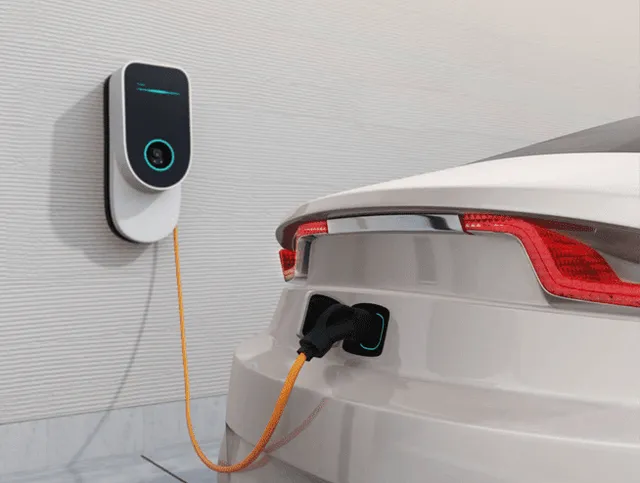
Electric vehicles are becoming common. How you charge at home affects speed, convenience, and safety. Dedicated EV Charger Faster charging (Level 2) Designed for high amperage Safer, code-compliant Regular Outlet (Level 1) Slower charging Can overload circuit if used incorrectly Less convenient for daily EV use Recommendation For daily EV use, a dedicated Level 2...
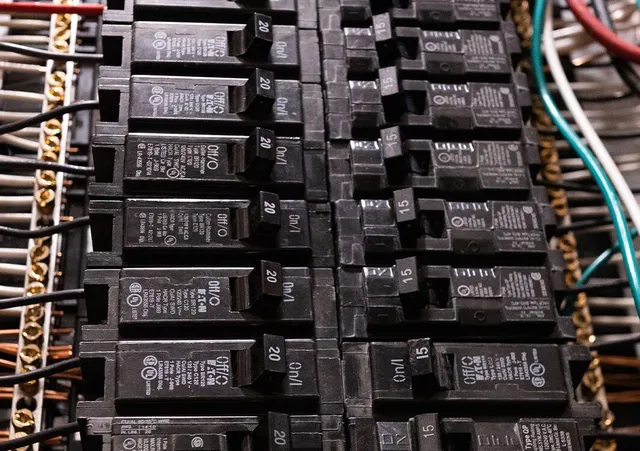
Modern homes are using more electricity than ever, with smart appliances, EV chargers, and home automation. Choosing the right electrical panel can make your home safer, more efficient, and ready for future upgrades. Standard Panel Pros: Reliable, proven technology, lower cost Cons: No monitoring, limited future-proofing, manual troubleshooting Smart Panel Pros: Energy monitoring, circuit tracking,...
Lighting impacts energy bills, home comfort, and long-term costs. Understanding the differences helps homeowners make informed choices. LED Pros: Long lifespan, energy-efficient, bright, eco-friendly Cons: Higher upfront cost Fluorescent Pros: Energy savings over incandescent, decent lifespan Cons: Contains small amounts of mercury, can flicker, slower startup Incandescent Pros: Low upfront cost, warm light Cons: Inefficient,...
Keeping your family safe starts with having the right smoke and carbon monoxide (CO) detectors in your home. These devices are your first line of defense during a fire or dangerous CO event — and choosing the right type matters. The two main options are hardwired detectors and battery-powered detectors, and each has its own...
We live in a world full of electronics—TVs, computers, smart appliances, and HVAC systems all rely on sensitive circuit boards. A single power surge can damage or even destroy them. Many homeowners plug devices into a power strip with “surge protection,” but is that really enough? Let’s compare whole-home surge protection with plug-in power strips...
When the power goes out, most homeowners realize just how much we depend on electricity. From keeping the lights on to protecting food in the refrigerator and powering medical devices, having a backup plan matters. Two of the most common options are whole-house standby generators and portable generators—but which one is right for you? Let’s...
Power outages can disrupt life. Some homeowners only protect electronics, while others want full-home coverage. Battery Backup (UPS) Protects computers, small electronics, and medical devices Portable and affordable Limited power capacity Whole-Home Power Solutions Powers your entire home, including HVAC, appliances, and well pumps Permanent installation Automatic switching and peace of mind Recommendation For essential...
Cold weather can push your heating system to its limits, and the last thing you want during a freeze is a heating, ventilation, or air conditioning system that won’t turn on. At Summers & Zim’s, we’ve built our Blue HVAC maintenance plans and 24/7 priority service to help homeowners stay ready for winter’s worst. Whether you're using...